
De-Icing Fluid and Your Aircraft's Finish: The Winter Threat Owners Underestimate
The fluids that keep your aircraft safe on the ground leave a residue that quietly works against its finish all winter long.

Monarch Aeromarine Atelier
January 2026 · 4 min read
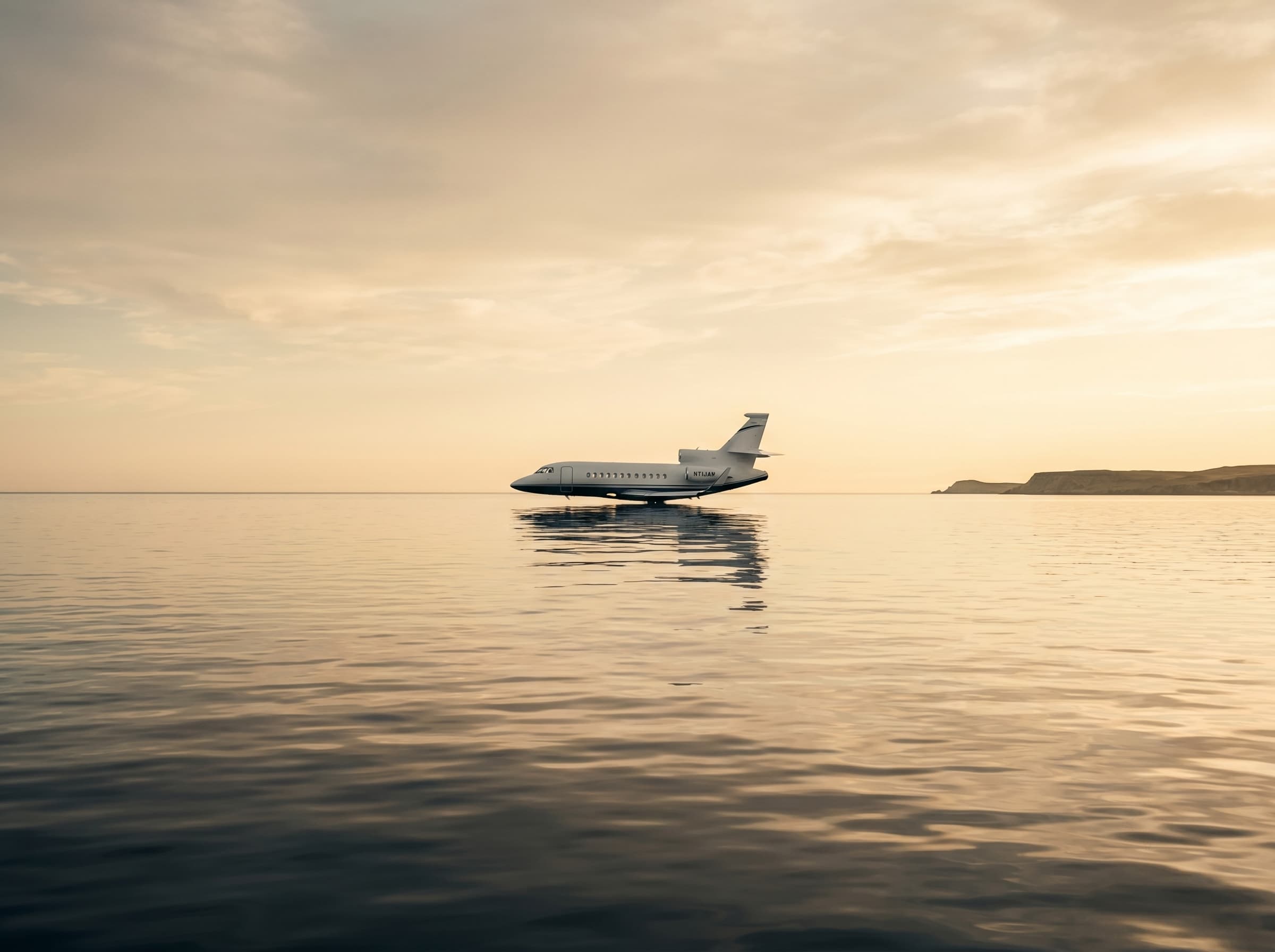
Every Canadian winter, the fluids and salts that keep your aircraft safe on the ground are quietly working against its finish. De-icing is non-negotiable for flight safety — but the residue it leaves behind is a preservation problem most owners never think about until corrosion appears.
Why de-icing residue matters
The chemistry is more aggressive than it looks. As SofemaOnline explains, “De-icing fluids are typically ethylene glycol, or propylene glycol-based fluids containing water, corrosion inhibitors, wetting agents, and dye. Anti-icing fluids are similar… except that they also contain polymeric thickeners,” and they use “benzotriazole and methyl-substituted benzotriazole as corrosion inhibitors.” These fluids do their job in flight, but repeated applications leave residues that collect in aerodynamic quiet areas, cavities and gaps. Those residues can rehydrate, and over time the chemistry — combined with runway de-icing salts thrown up during taxi, takeoff and landing — attacks paint and, where paint is compromised, opens the door to corrosion of the underlying metal.
Corrosion is fast and irreversible
Aviation corrosion specialists describe it bluntly: the process is fast and irreversible. The same salt that whitens cars in an Ontario winter has the chemical properties to break down paint and expose small areas of metal to air and moisture. Once corrosion establishes on a structural surface, you're no longer talking about appearance — you're talking about airworthiness and serious expense.
The preservation response
The answer isn't to de-ice less; it's to remove the residues properly and protect the surfaces that take the abuse. That means regular, thorough washing through the winter season — particularly of bellies, leading edges, gaps and the areas where residue and salt accumulate — using aviation-approved methods, followed by a durable protective coating that gives salt and glycol less to grip and makes residue removal easier. A protected, regularly cleaned surface sheds winter's chemistry; a neglected one banks it.
Why Toronto-area operators should care most
Aircraft based at Toronto Pearson, Billy Bishop or Hamilton accumulate de-icing exposure all winter long. The combination of frequent de-icing and salted ground operations makes GTA-based aircraft prime candidates for finish degradation — and for the preservation programs that prevent it.
Monarch offers winter finish-protection and residue-removal service designed for Ontario operations — care that treats your paint as the corrosion barrier it is. If your aircraft works through Canadian winters, this is the quiet maintenance that protects both its value and its skin.
Related Monarch service
Aircraft Protective SystemsSources
SofemaOnline